


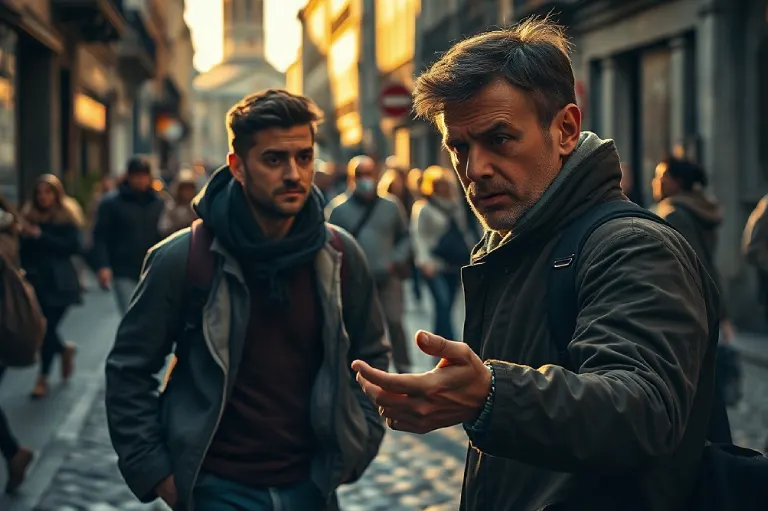
Why Do Tourists Get Scammed More Than Locals?
Tourists make easy targets for a few straightforward reasons. They’re unfamiliar with local prices, don’t speak the language, and often carry cash or valuables on them. Scammers read these cues fast. A confused look at a map or a camera around your neck signals opportunity to the wrong people.
The good news is that most travel scams follow predictable patterns. Once you know the playbook, they’re not that hard to dodge. Here’s a breakdown of the most widespread ones by category.
Transportation Scams: What Happens Before You Even Leave the Airport?
Fake Taxi Drivers
This one’s everywhere Bangkok, Cairo, New York, Rome. Unofficial drivers hang around airports, train stations, and tourist spots offering rides at “fixed rates” that end up being three to five times the actual fare. Some use rigged meters. Others claim the meter is broken.
How to avoid it: Use official taxi stands or pre-book through a ride-hailing app like Uber, Grab, or Bolt. Always confirm the fare before getting in. If a driver approaches you inside the terminal, walk past them.
The “Your Hotel Is Closed” Lie
A taxi driver picks you up from the airport and tells you your hotel is closed, under renovation, or “not good.” They offer to take you to a “better” place usually a property where they earn a commission.
This is common in parts of Southeast Asia, India, and Turkey. Your hotel is almost certainly fine. Call ahead before getting in any cab if you’re worried.
Rigged Meters and Scenic Routes
Some drivers use tampered meters that run fast. Others take long routes through traffic so the fare climbs. Both are hard to spot if you don’t know the city.
Fix: Pull up Google Maps before the ride and track the route yourself. Know the rough price range by checking forums like TripAdvisor or Reddit for your destination city.
Street Scams: What to Watch Out for on Foot
The Friendship Bracelet Trick
Someone approaches you, ties a bracelet around your wrist while talking, then demands payment because it’s now “a gift.” Variations include flowers pushed into your hands or rosemary sprigs pressed on you. The moment you accept, they won’t let go until you pay.
This one’s common in Paris near the Sacré-Cœur, Barcelona’s Las Ramblas, and Rome. Keep your hands in your pockets and walk away firmly if approached.
The Petition Scam
Someone approaches with a clipboard and asks you to sign a petition for a good cause children’s charity, save the bees, whatever sounds sympathetic. While you’re distracted, an accomplice picks your pocket. Others ask for a “donation” after you sign.
Ignore clipboards from strangers. There’s no polite obligation to engage.
The Dropped Ring Trick
A person picks up a ring off the ground in front of you and insists it belongs to you or offers it as a gift. It’s usually cheap metal. After some back and forth, they ask for money for food, for a bus ticket, for anything. The ring is worthless.
Found gold jewelry near the Eiffel Tower? Leave it on the ground.
Three-Card Monte and Shell Games
Street gambling setups where a dealer shuffles cards or cups and invites you to guess where the ball or card is. You always lose. The dealer, the players around you watching often all in on it. The few people you see “winning” are plants.
Walking past without slowing down is the right move.
Food and Restaurant Scams: When the Bill Doesn’t Add Up
Menu Switching or Hidden Prices
You get handed one menu when you sit down. When the bill arrives, it’s based on a different menu with higher prices. Some restaurants near tourist sites don’t display prices at all.
Always check that the menu has prices listed. If it doesn’t, ask before ordering. Take a photo of the menu. Compare it to the bill before paying.
The “Service Charge” You Never Agreed To
Some tourist-heavy restaurants add service charges, cover charges, or bread charges without mentioning them upfront. In places like Italy or Greece, a small cover charge (coperto) is sometimes legal and disclosed. In other cases, it’s just added and hoped you won’t notice.
Review your itemized bill carefully. Question any charge you didn’t order or agree to.
Overpour and Overcount
In bars and clubs, you order four drinks but get charged for six. Staff count on you being too distracted or too polite to make a scene. Others deliberately use smaller measures but charge full price.
Keep track of what you order. Pay by round instead of running a tab when possible.
Currency and Money Scams: Where Your Cash Disappears
Bad Exchange Rates and Hidden Fees
Airport kiosks and street exchange booths often advertise great rates in big print and hide the fees in small print or apply them at the counter. You hand over dollars and get back a fraction of what you expected.
Use ATMs from established local banks instead. Withdraw larger amounts to minimize per-transaction fees. Avoid dynamic currency conversion at POS terminals always choose to pay in local currency.
Shortchanging
A vendor or cashier gives you back less change than you’re owed, banking on you not counting it. In busy markets this happens fast and deliberately. Count your change every single time, even when it feels awkward.
Counterfeit Bills
In some countries, tourists get handed fake local currency as change. Check the bills you receive for basic security features. Familiarize yourself with what local money looks like before you travel a quick Google image search takes 30 seconds.
Accommodation and Online Booking Scams
Fake Rental Listings
A vacation rental looks stunning in photos, has glowing reviews, and offers a price that’s slightly below market. You pay a deposit. You arrive to find either a completely different property or one that doesn’t exist.
Book through established platforms with buyer protection. Never wire money or pay outside the platform. Video call the host before booking if you’re unsure.
The “Upgrade” Trick
You book a budget room. At check-in, staff say it’s unavailable and offer an “upgrade” for extra cost. Sometimes the original room was never available and the bait-and-switch was planned.
Get booking confirmation in writing. Screenshot everything. Know your rights under the platform’s guarantee.
Tech and Distraction Scams
Fake Wi-Fi Hotspots
Scammers set up free Wi-Fi networks in tourist areas under plausible names like “Airport Free WiFi” or “Hotel_Guest.” Any data you transmit over these networks can be intercepted, including login credentials and payment info.
Use a VPN when traveling. Stick to password-protected networks from verified businesses. Use your phone’s hotspot instead of public Wi-Fi when handling sensitive data.
The Spill Distraction
Someone “accidentally” spills something on you ice cream, bird droppings (real or fake), or a drink. While they help you clean up with exaggerated concern, an accomplice goes through your bag or pockets.
If this happens, immediately step back, hold your bags, and take care of it yourself. The over-helpful stranger is rarely trying to help.
How to Protect Yourself Practical Steps
- Research your destination on Reddit, travel forums, and recent blog posts before arrival.
- Carry only what you need. Leave extra cards and large amounts of cash in the hotel safe.
- Use a money belt or anti-theft bag in crowded areas.
- Know the rough price of common things taxi to the center, a coffee, a museum ticket.
- Trust your instincts. If something feels off, it usually is.
- Stay firm. Scammers rely on social pressure. Walking away is always an option.
- Have emergency contacts and a backup card stored separately from your wallet.
Conclusion
Tourist scams are frustrating, but they’re not unavoidable. Most of them follow patterns that are easy to recognize once you know what to look for. The goal isn’t to travel paranoid it’s to travel prepared. Do a bit of research before each trip, stay aware of your surroundings, and don’t let guilt or politeness override your common sense.
The overwhelming majority of people you’ll meet while traveling are just people. But the handful who aren’t are counting on you being caught off guard. Don’t give them the chance.
Frequently Asked Questions
Q: Which cities are worst for tourist scams? Cities like Paris, Rome, Barcelona, Bangkok, Cairo, and Prague appear most frequently in traveler scam reports but scams exist everywhere. Your awareness level matters more than the destination.
Q: What should I do if I get scammed while traveling? Report it to local police for documentation (useful for insurance claims). Contact your bank if financial data was compromised. Report fake listings to the platform you booked through. Don’t chase or confront scammers alone.
Q: Are tourist scams dangerous? Most are non-violent theft or fraud. However, some distraction scams involve physical contact, and some regions have more aggressive operators. Stay in public areas, don’t flash expensive items, and avoid isolated situations with strangers.
Q: Is travel insurance worth it to cover scam losses? Yes. Some travel insurance policies cover theft or fraud. Read the fine print carefully for what qualifies. Keep all documentation including police reports.
Q: How do I spot a fake taxi? Official taxis have markings, meters, and company branding. Unofficial drivers often approach you rather than waiting in designated areas. Use apps when possible and never get in unmarked vehicles.
