


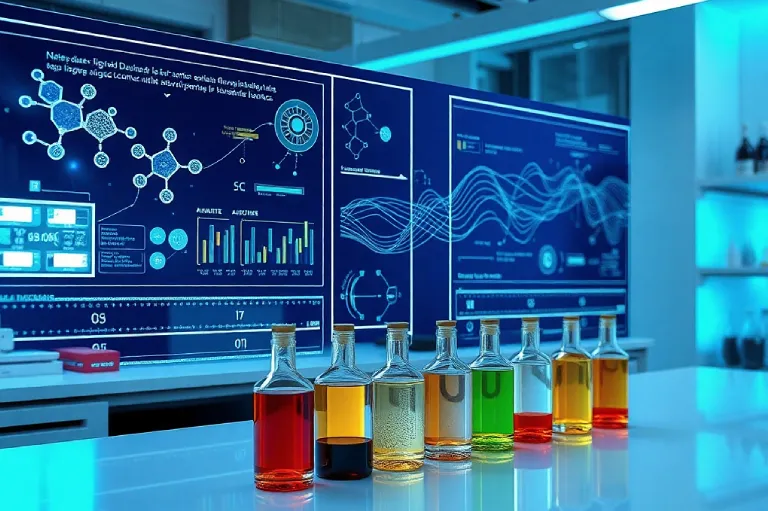
AI’s Core Roles in Beverage Product Development
AI‑Driven Formulation and Recipe Modeling
AI platforms can analyze thousands of ingredient combinations, sensory data points, and chemical profiles in minutes a task that used to take R&D labs weeks or months. These tools use machine learning to:
- Evaluate ingredient interactions at scale
- Predict flavor outcomes before physical prototypes
- Identify combinations that match target sensory profiles
- Reduce development costs by trimming physical trial‑and‑error cycles
This shift isn’t hypothetical food science studies show AI accelerates formulation analysis by processing extensive data sets of chemistry, consumer preferences, and sensory maps that humans can’t parse manually.
What this means for startups:
Small teams can test dozens of variations early. AI doesn’t replace tasting and human sensory validation, but it builds a data‑rich starting point so founders focus time on fewer, higher‑potential concepts.
Predicting Consumer Demand and Trends
Understanding what consumers want before competitors catch on can make or break a new beverage. AI systems scan:
- Social media conversations
- Search phrases and trend spikes
- Sales data from retailers
- Sentiment in online reviews
By combining these signals, AI can highlight emerging preferences brands might otherwise miss. AI persona simulations can also run affordable concept testing that approximates traditional research studies but at a fraction of the cost.
Real‑world value:
AI detects patterns humans overlook, but interpretation still matters. Data without nuanced understanding can mislead a trend spike doesn’t always equal consumer loyalty or purchase intent. That nuance is where human insight adds value.
AI in Packaging and Visual Design
Beyond formulation, AI helps conceptualize packaging by analyzing:
- Competitor shelf presence
- Color psychology driven by demographics
- Packaging material sustainability trade‑offs
- Visual elements that help products stand out
AI design tools can generate dozens of visual mockups and simulate how a label might perform in targeted customer tests. Founders can then gather early feedback before finalizing artwork or label copy.
Unlike generative logo tools, these design engines integrate competitive retail data and performance analytics, giving startups actionable visuals fueled by real consumer behavior patterns.
Limits and Risks of AI for Beverage Startups
Regulatory Complexity Beyond AI
AI tools are powerful with data, but they lack deep legal context. For example, in U.S. beverage categories, compliance isn’t just about accuracy it’s about specific language, placement, and interpretation of claims. Regulators like the Alcohol and Tobacco Tax Trade Bureau or FDA have detailed requirements that vary by category and distribution channel.
AI may propose a label or claim that looks compliant, yet still break a nuanced rule. That can trigger fines, recalls, or delays all costly for a startup.
Key point: Regulatory expertise can’t be replaced by AI. It must guide or review any AI‑generated compliance outputs.
Real Ingredient Sourcing Challenges
AI might highlight a macro trend say, consumer interest in “natural sweeteners” — but it doesn’t evaluate:
- Ingredient availability
- Supply chain reliability
- Cost vs. quality trade‑offs
- Compatibility with manufacturing capabilities
Experts in beverage sourcing note that data‑driven insights stop at trend recognition. A machine can flag demand for a rare botanical, but only human specialists understand supply feasibility and pricing risks.
Startup reality: AI streamlines idea generation but doesn’t replace supplier negotiations, logistics planning, or cost modeling.
Separating Stable Trends from “Hype”
AI tracks buzz and engagement metrics, but social media excitement often doesn’t translate to real buying behavior. Some concepts can win online attention yet fail commercially because:
- They lack staying power
- They target fad audiences, not broad markets
- They conflict with real consumption habits
AI lacks context about consumer purchasing psychology and long‑term pattern consistency. That’s a human judgment call that founders must make.
Surveys of food and beverage brands show many invest in innovation but still operate largely with manual tools, missing deeper analytics integration a sign that strategy, not just tools, defines success.
Strategic AI + Human Workflow for Startups
The most successful beverage brands use AI as a co‑pilot not the pilot.
Smart AI Use Cases for Founders
AI excels when used intentionally:
- Early‑stage research and idea generation
- Data‑driven trend spotting
- Packaging concept evaluation
- Flavor interaction modeling before lab testing
- Consumer sentiment pattern detection
Founders should treat AI outputs as starting points — not final answers. Validate insights against real human feedback, small focus groups, and expert review.
When to Prioritize Human Expertise
Areas where humans should lead:
- Regulatory compliance and label approvals
- Ingredient sourcing and negotiation
- Final formulation testing
- Branding and story creation
- Distribution strategy
These aspects require judgment, negotiation insight, and experience that AI analytics doesn’t provide.
Crafting a Brand Narrative AI Can’t Create
AI helps generate concepts, but it doesn’t invent authenticity. Consumers connect with:
- Founder stories
- Ingredient origin narratives
- Real purpose behind flavor profiles
- Sustainable sourcing choices
These stories don’t arise from data patterns they emerge from human vision and communication.
Effective brands combine:
AI‑driven insights + human emotional leadership.
Conclusion
AI is reshaping beverage product development by democratizing access to powerful data modeling, trend analysis, and design iteration. Startups now compete more effectively with larger brands but AI must be part of a balanced workflow. AI accelerates research, reduces cost, and expands insight exploration, yet humans still drive real decisions: compliance, sourcing, storytelling, and market strategy.
In 2026 and beyond, beverage startups that blend AI strength with human expertise will launch smarter, more differentiated products faster, with lower risk and higher consumer relevance.
FAQs
Q1: What types of AI tools help beverage product development?
AI tools range from recipe modeling and sensory predictors to packaging concept generators and trend analytics platforms. These tools analyze large datasets to surface flavor combinations, market demand signals, and packaging insights.
Q2: Can AI replace human food scientists in beverage R&D?
No. AI accelerates data analysis and ideation, but human scientists validate sensory outcomes, ensure compliance, and handle manufacturing realities. AI is best used as an assistant.
Q3: How does AI identify consumer trends for new beverages?
By scanning social media, search behavior, sales figures, and sentiment data, AI identifies patterns that hint at rising preferences before they become mainstream.
Q4: Are AI‑generated beverage formulations reliable?
AI suggestions are strong starting points, but they still require lab validation and human sensory testing. AI’s predictions reduce time but don’t guarantee commercial quality.
Q5: What risks come from overreliance on AI?
Overreliance can miss regulatory nuances, misinterpret trend depth, and overlook sourcing constraints leading to launch delays or market disconnects.
